Polyester
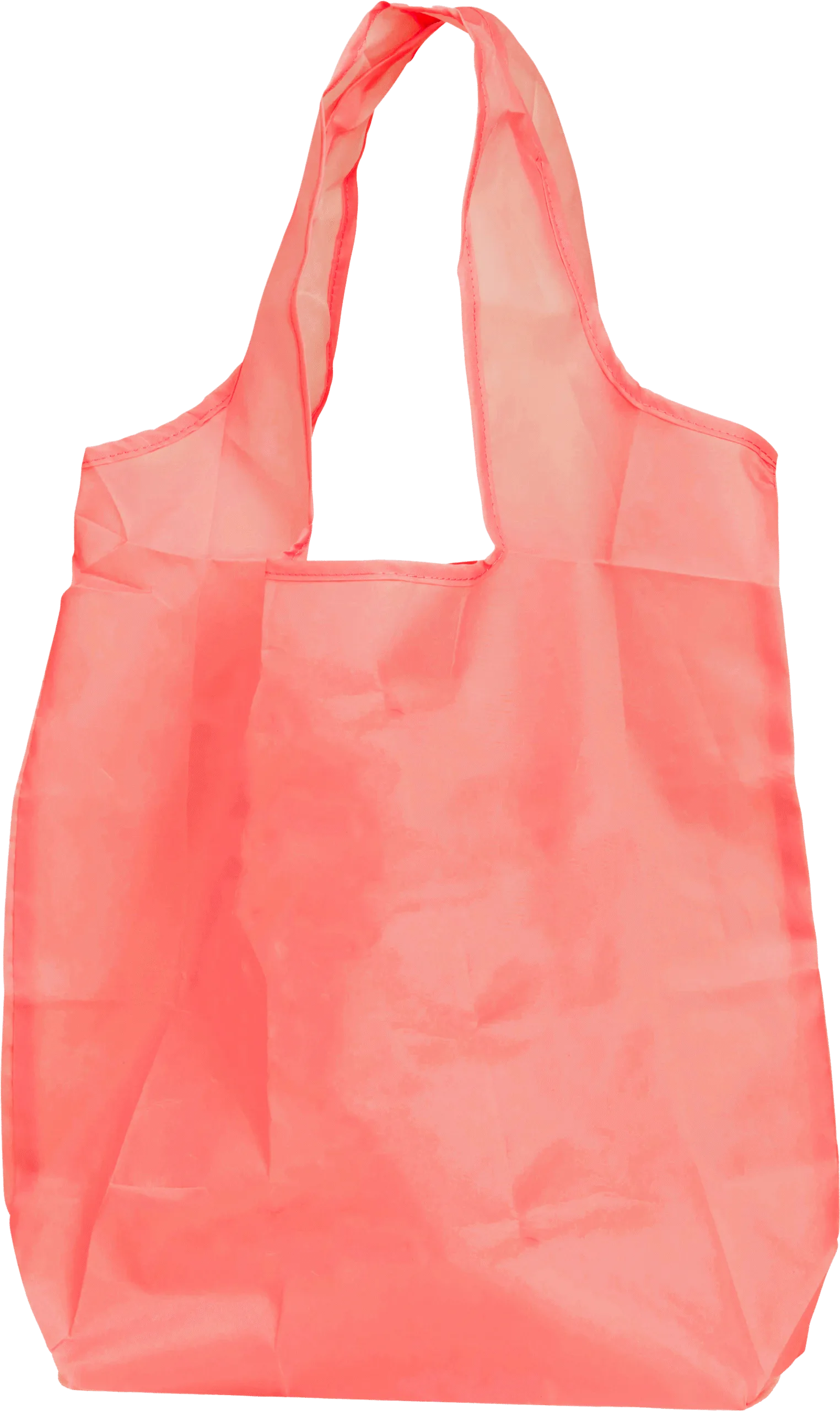
- Foldable
- Compact
- Practical
Material
Polyester is a synthetic textile that has become one of the most widely used materials in the world.
It is often blended with other fibres to combine strengths, but is also a strong performer on its own. Polyester for bags can be made from virgin raw material or recycled sources such as PET bottles, giving it both flexibility and sustainability potential.
Production and Processing
The process begins by melting polyester flakes into a liquid mass. This is then extruded through fine nozzles to create continuous fibres. Once dried, the fibres are spun into threads and woven into fabric. The result can be engineered in different thicknesses and finishes, making polyester suitable for a wide range of bag designs – from lightweight pocket bags to sturdier everyday carriers.
Performance in Practice
Polyester is durable, elastic and resistant to wrinkling. The thin, flexible fabric folds easily, which makes it especially popular for what are known as pocket bags that take up minimal space.
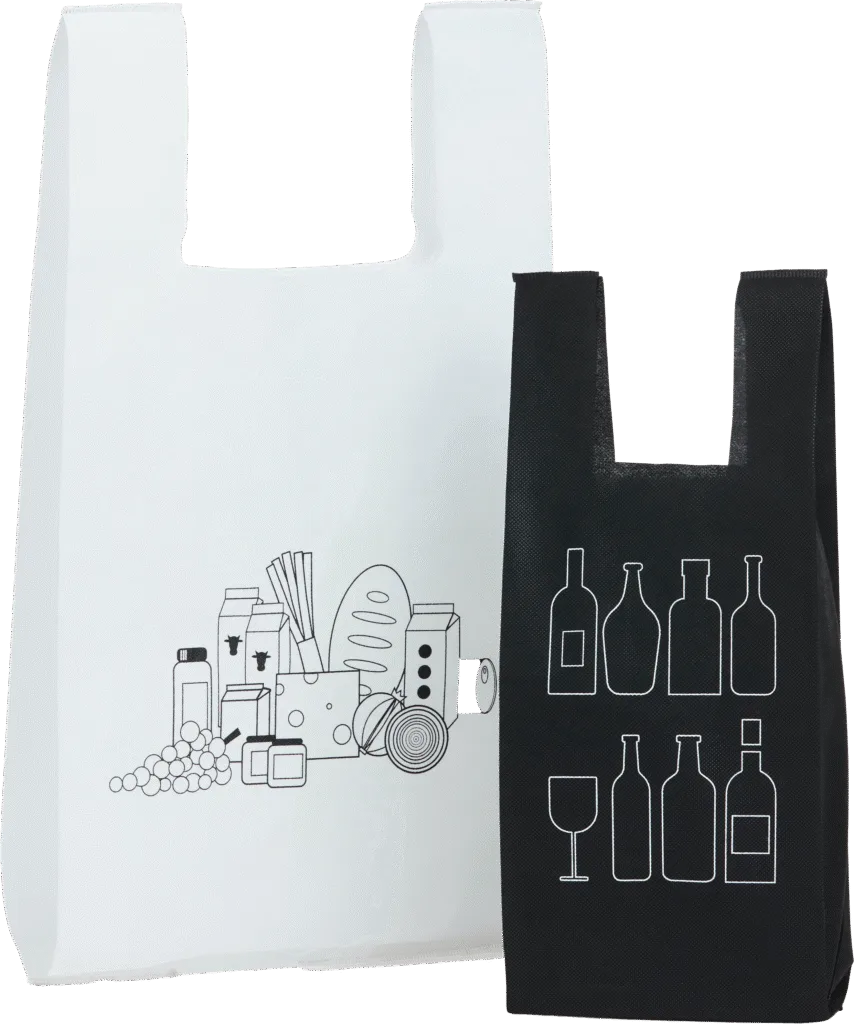
The material is also strong when it comes to printability, with the ability to feature detailed designs and logos clearly. Depending on weight and weave, polyester can be adapted to balance softness, strength and visual impact.
The Business Perspective
From a business standpoint, polyester offers high versatility and branding opportunities.
It is cost-efficient in larger volumes, easy to transport due to its foldability, and available in both virgin and recycled qualities. With recycled polyester, companies can communicate a clear sustainability commitment while maintaining strength and performance.