Certified Strength, Proven Quality
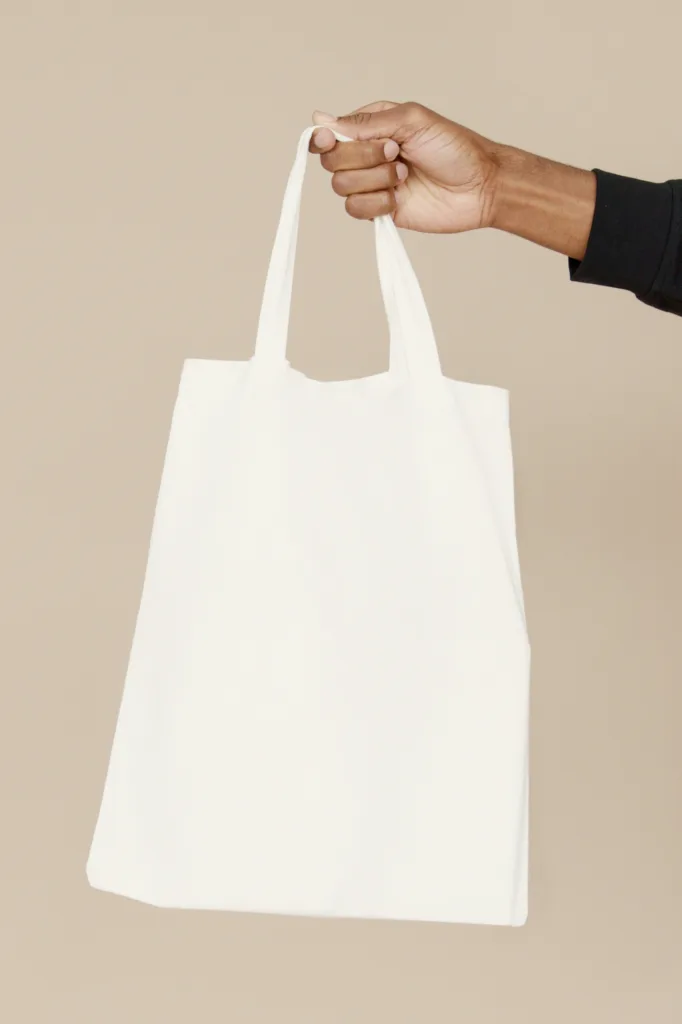
How Durable Does a Shopping Bag Need to Be?
The answer, of course, depends on what it’s being used for. We have extensive experience with many types of reusable bags, especially for the grocery trade, where requirements are the highest.
Certified Quality for Reusable Bags
To help both retailers and customers, the national Shopping Bag Group has commissioned RISE (Research Institutes of Sweden) to develop a certification standard for reusable bags. Today, we are the company with the most certified bags in Sweden – an achievement we are proud of.
Certified bags carry a quality mark that confirms they can be lifted and set down on a hard surface at least 20 times with the specified weight. In addition, they must withstand the most common stresses during their lifetime, equivalent to being used once a week over a year (50 times).
Rigorous Testing for a Long Lifespan
To be certified as a reusable bag, a product must meet strict requirements. Tests vary depending on the material, but are designed to check whether bags can withstand repeated use. They cover the most common stresses a reusable bag may encounter during its lifetime.
Tested to European Standards
The testing methods for the shopping bags have been developed at RISE and are specific to reusable bags. They are based on the European standard SS-EN 13 590 and other well-established standards. RISE’s testing and certification process provide both manu-facturers and consumers with confidence that the products are high in quality and durable.
Testing Includes Five Key Steps:
- Determining carrying capacity – dry loads
- Determining carrying capacity – wet loads
- Colorfastness
- Puncture resistance
- Handle stretch
Standards You Can Trust
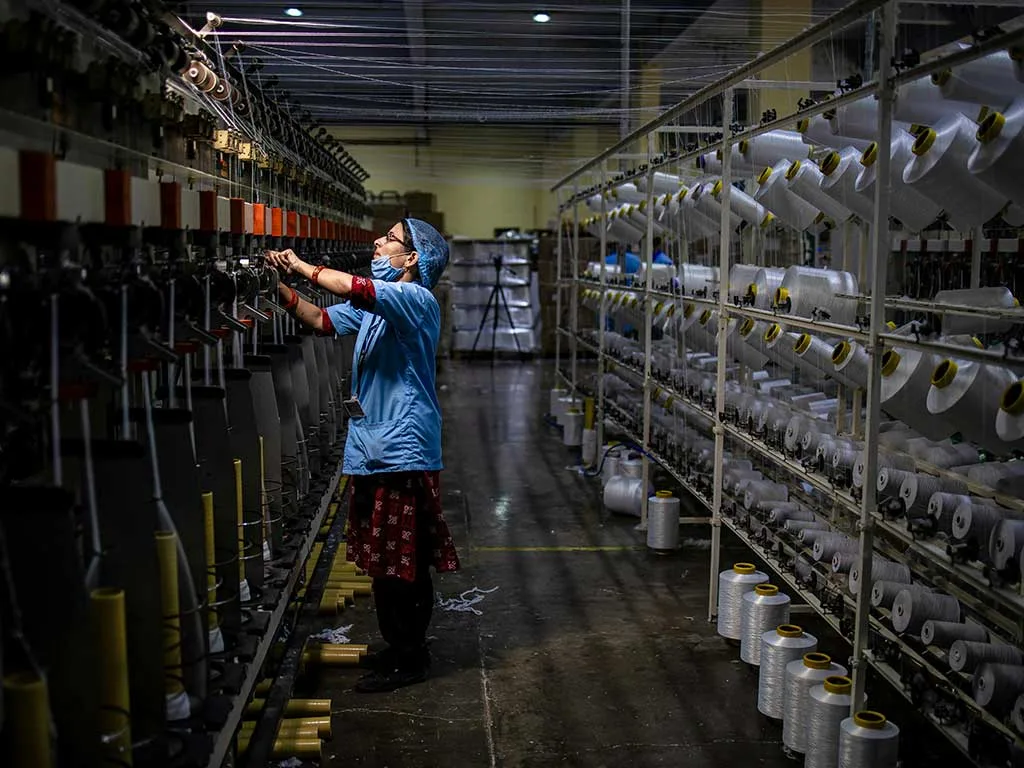
From the very first sample to the final inspection, every stage of our process is designed to safeguard quality. By combining strict controls with close collaboration, we ensure that every bag not only meets your expectations, but also lives up to ours.
From first sample to final shipment
- PPS (Pre-Production Sample) – reference sample
A reference piece produced before mass production begins, ensuring all parties agree on the approved standard. All further production and inspections are based on this sample. - DUPRO (During Production Inspection) – in-process check
A spot-check during production, often focusing on critical components such as fabric dyeing or printing, to secure quality before final completion. - PSI (Pre-Shipment Inspection) – final inspection
Conducted once production is finished and before shipment. Random samples are compared with the approved pre-production sample, and details such as packaging and carton sizes are verified.
How Quality is Measured
Beyond these checkpoints, every inspection also relies on a clear standard for how many deviations are acceptable.
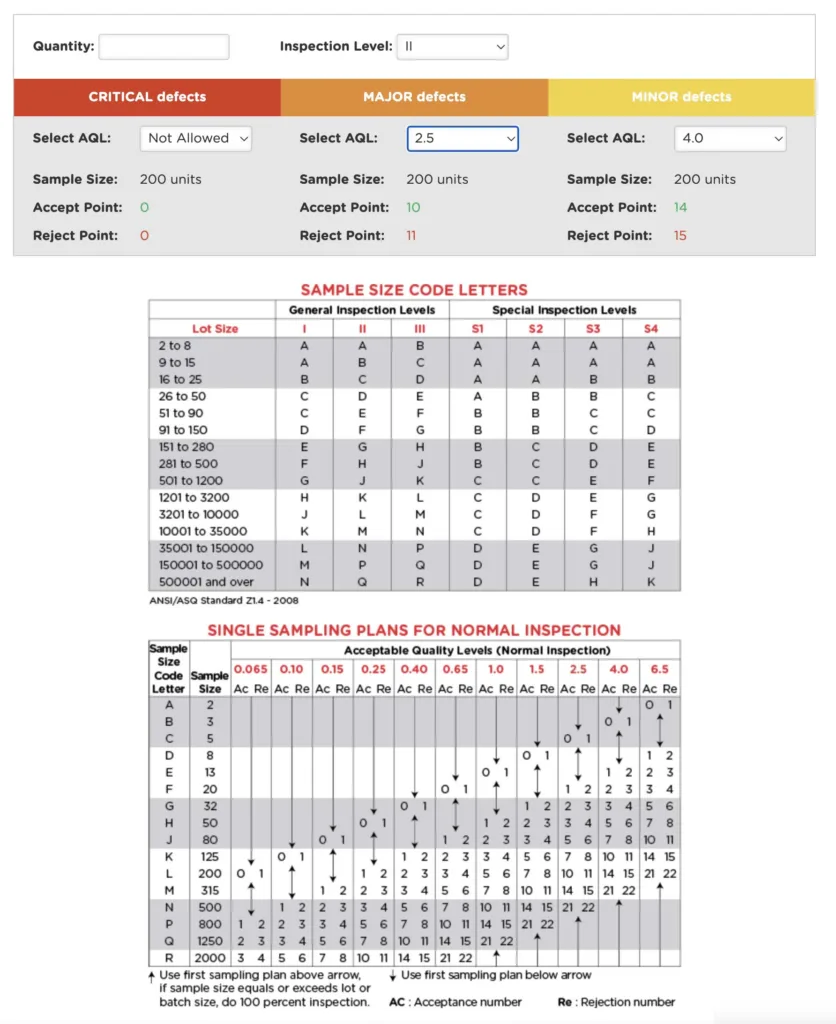
AQL – Acceptable Quality Limit
During inspections, the AQL (Acceptable Quality Limit) is used to determine whether a shipment can be approved. The system specifies how many defects are allowed in a random sample check, and the requirements vary depending on the product – for example, medical goods are subject to stricter levels than textiles.
Defects are typically classified into three categories within AQL inspections:
- MINOR DEFECTS: cosmetic flaws that don’t affect functionality.
- MAJOR DEFECTS: defects that impact function or deviate from the approved sample.
- CRITICAL DEFECTS: serious issues that make the product unsafe or unusable.