Transparency in Every Layer

We strive for supply chain traceability
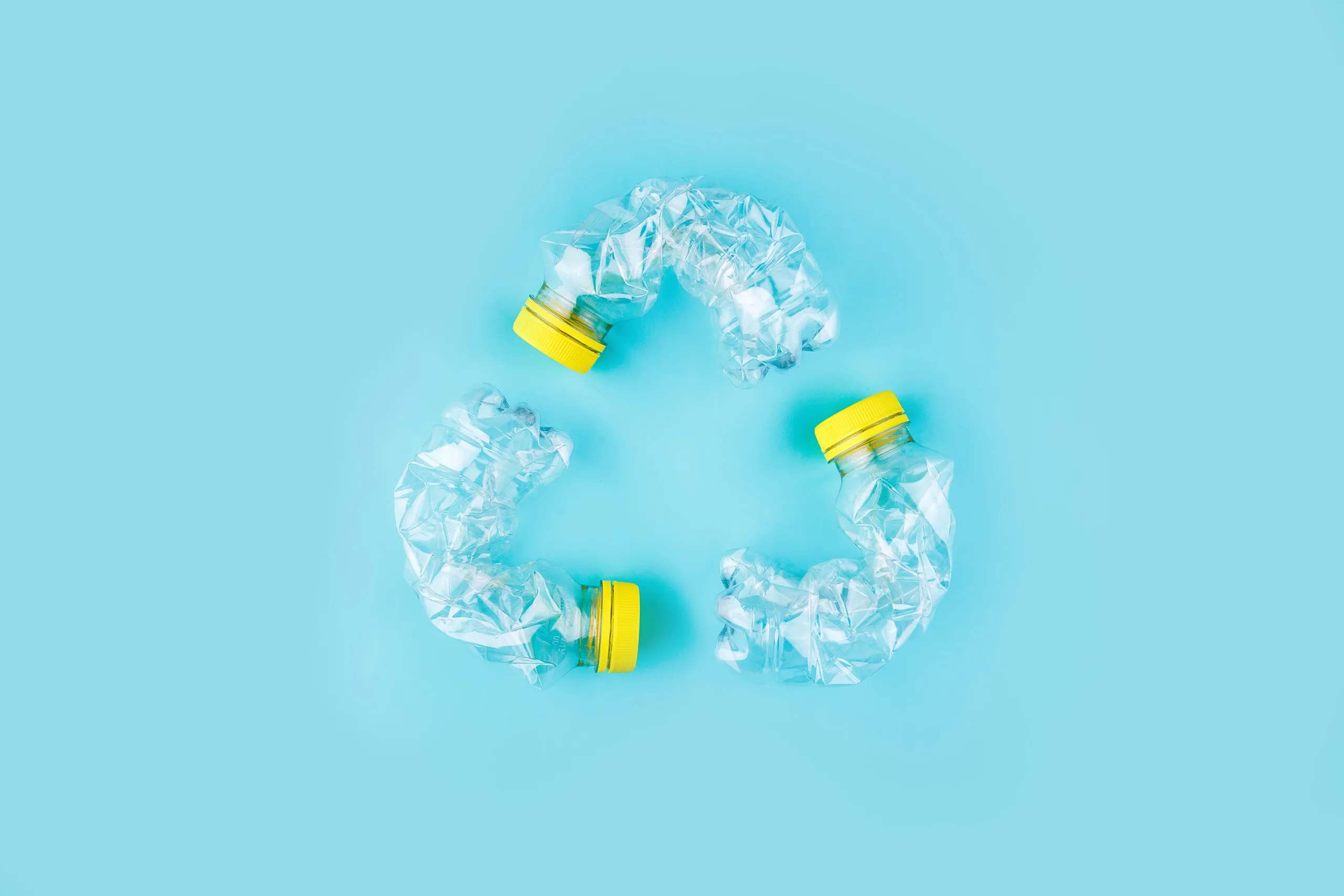
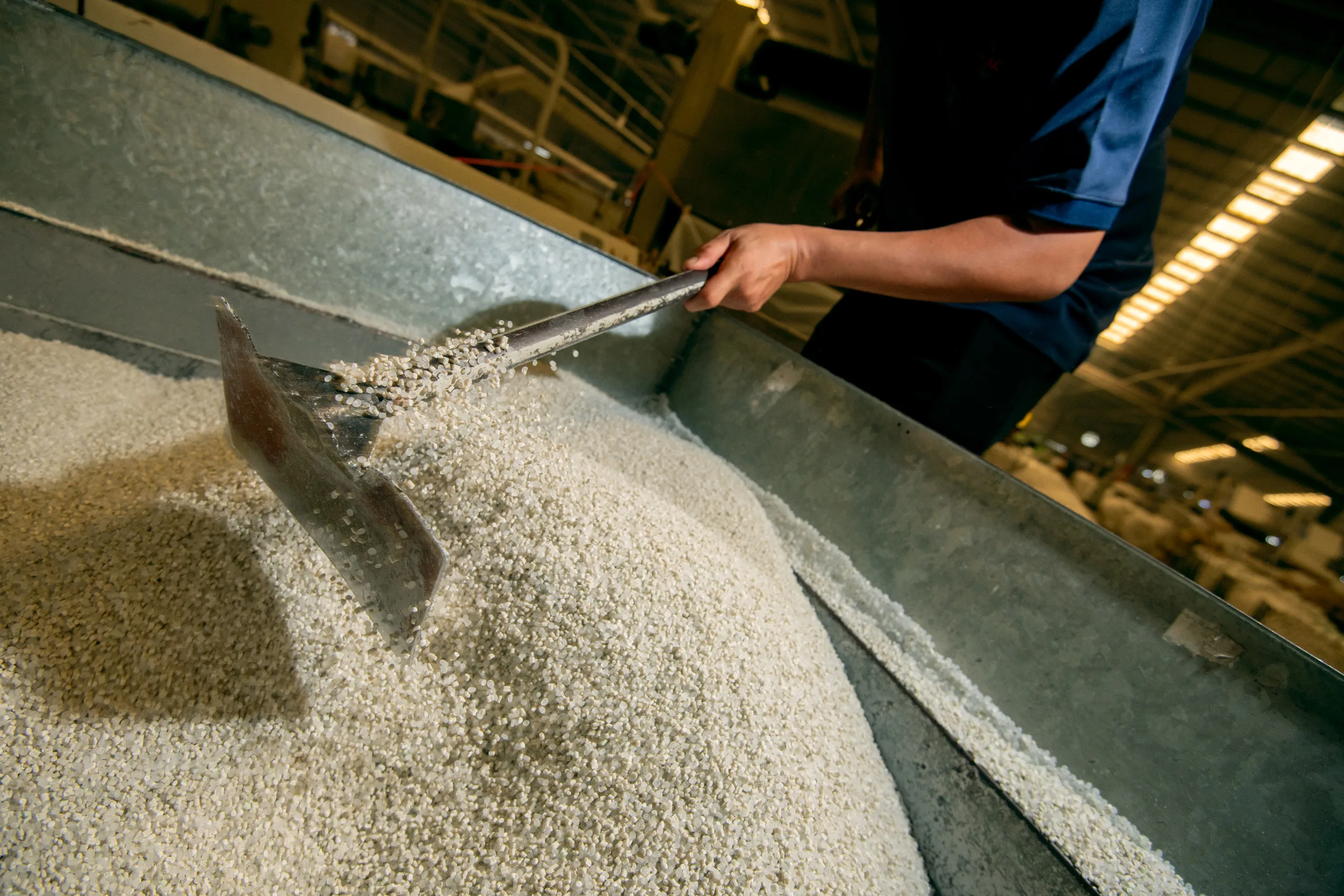
Made to Be Used Again and Again, from Materials Given a Second Life
Working with recycled materials brings both opportunities and responsibilities. Every step — from collection to production — requires knowledge, commitment and, above all, openness. By understanding what lies behind the materials we use, we can ensure quality, safety and respect for both people and planet. This is the foundation of our approach to transparency in every layer.
Recycled materials are often divided into two categories:
- Pre-consumer:
Waste material generated during manufacturing that never reaches the end consumer. - Post-consumer:
Material used and discarded by consumers, then recycled into new products.
The Challenge of Recycled Materials
The biggest challenge with recycled materials is understanding exactly where it comes from and what it contains. We do everything we can to trace the origin of materials – a complex task that requires long-term relationships, transparency and trust across multiple levels of the supply chain.
Through close collaboration with our suppliers and on-site personnel, we gain insights into where materials are sourced and who their sub-suppliers are. We dig as deep as possible so you can trust that no hazardous substances are used in the bags you purchase from us. At the same time, we actively work to ensure that the plastics or textiles used have been collected by adults in safe working conditions and with fair pay.
Be Critical
Even with these efforts, achieving full traceability of post-consumer recycled materials remains a real challenge. Factors such as complex recycling streams, multiple collection points and varying documentation standards make it impossible to guarantee a complete picture. That’s why we are transparent about the limitations: if anyone claims they can guarantee total traceability, it’s reasonable to be sceptical.
A New Requirement: The EU Packaging and Packaging Waste Regulation (PPWR)
Since August 2026, the same discipline we apply to raw materials extends to packaging too. Regulation (EU) 2025/40 (PPWR) means all packaging supplied with our goods to the EU must be accounted for – not only the outer carton, but the liner, the tape and the label inside it. We ask our packaging suppliers to document what each component is made of, its weight and dimensions, its recycled content, who made it, and how it can be traced back – and to meet the substance restrictions now in force under the regulation.
This sits alongside a wider structure we’ve used since 2022 to map our supply chain tier by tier, from our direct manufacturing partners back to the raw-material producers behind them. Our white paper on Supply Chain Traceability sets out both in full: the five-tier model we use to map supplier risk, and what PPWR now requires of every packaging component we source.
Our approach is grounded in continuous improvement. We invest in audits, supplier engagement and innovative tracking methods – now aligned with the PPWR – to get closer to complete traceability every year. While perfection is difficult, our goal is to ensure that every bag we deliver meets high ethical, environmental and safety standards – and that you can feel confident in choosing recycled materials whenever possible.